
What to Consider When Relocating: Real Estate Tips and Solutions
Assessing Your Needs and Priorities
When considering a move, it's crucial to first evaluate your personal and family needs. Think about factors such as the size of your current household, any future plans for growth, and lifestyle preferences. Are you looking for a bustling urban environment or a peaceful suburban retreat? Understanding your priorities will guide your search and help you find a location that aligns with your lifestyle.

Additionally, consider the proximity to essential services and amenities. Schools, healthcare facilities, and shopping centers are just a few aspects that could influence your decision. Evaluate the convenience of commuting options and public transportation if these are important to you.
Budgeting and Financial Considerations
Your budget will play a significant role in determining where you can relocate. Start by assessing your financial situation and defining a realistic budget. Remember to factor in not only the purchase price of a new home but also additional costs such as moving expenses, property taxes, and potential renovations.
It's also wise to consult with a financial advisor or real estate professional to gain a better understanding of the housing market trends in your desired area. They can provide valuable insights into property values and future growth potential, helping you make an informed decision.
Exploring Housing Options
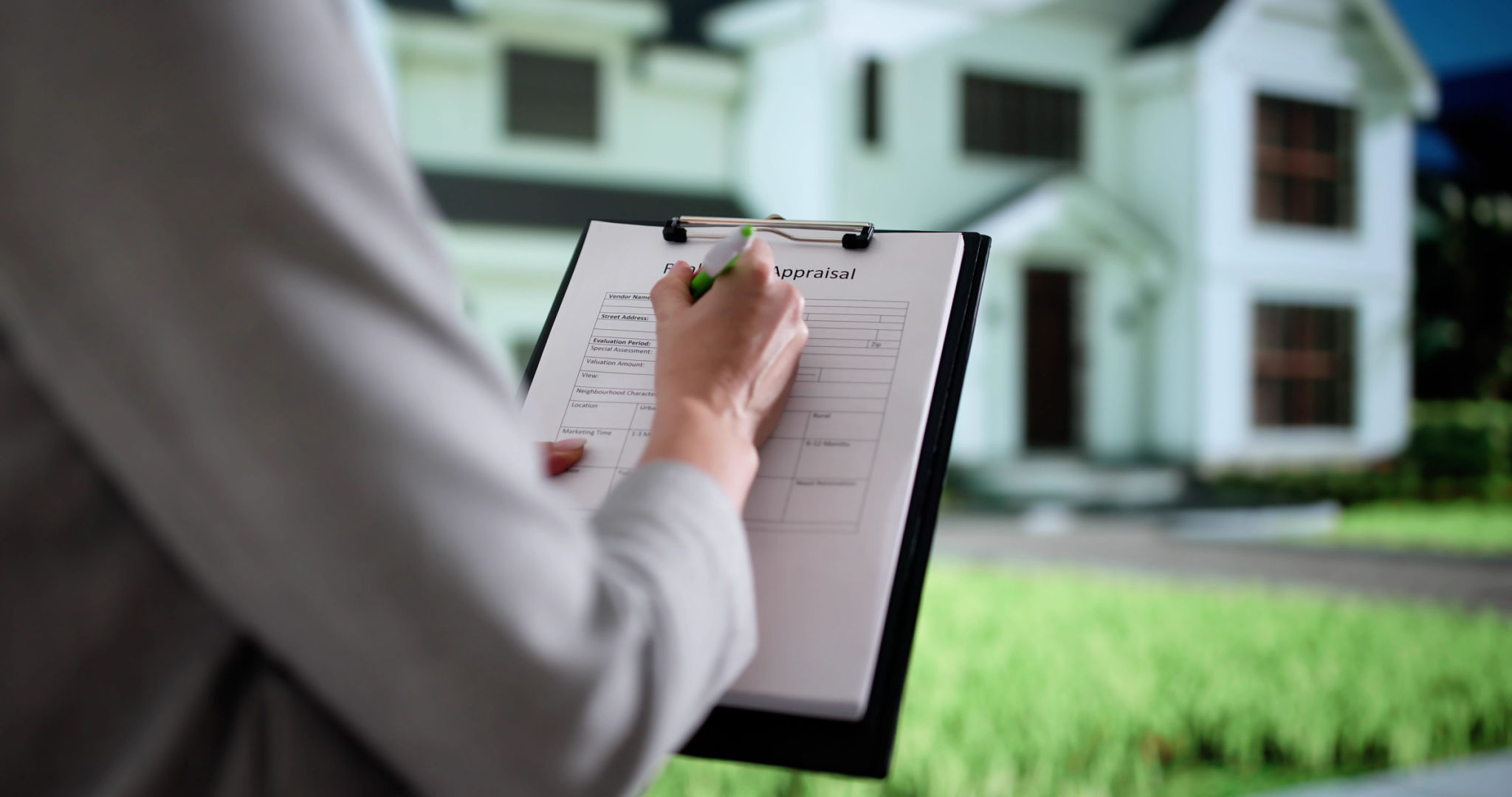
Once you have a clear understanding of your needs and budget, it's time to explore the various housing options available. Consider whether you prefer a single-family home, a condominium, or an apartment. Each type of property has its advantages and drawbacks, so weigh them carefully against your priorities.
Engage with a local real estate agent who can provide expert guidance on the best neighborhoods and properties within your budget. They can also help you navigate the complexities of the home-buying process, ensuring a smooth transition.

Understanding the Local Real Estate Market
Researching the local real estate market is essential when relocating. Look for trends in property values, the average time homes spend on the market, and the availability of homes in your desired area. Understanding these dynamics will help you make a competitive offer and negotiate effectively.
Attend open houses and community events to get a feel for the neighborhood and its residents. This firsthand experience can provide valuable insights into the community's culture and whether it aligns with your preferences.
Planning for the Move
With a clear understanding of your needs, budget, and the local real estate market, it's time to plan your move. Create a detailed timeline and checklist to ensure nothing is overlooked. Start by decluttering and organizing your belongings, which will make packing and unpacking much easier.
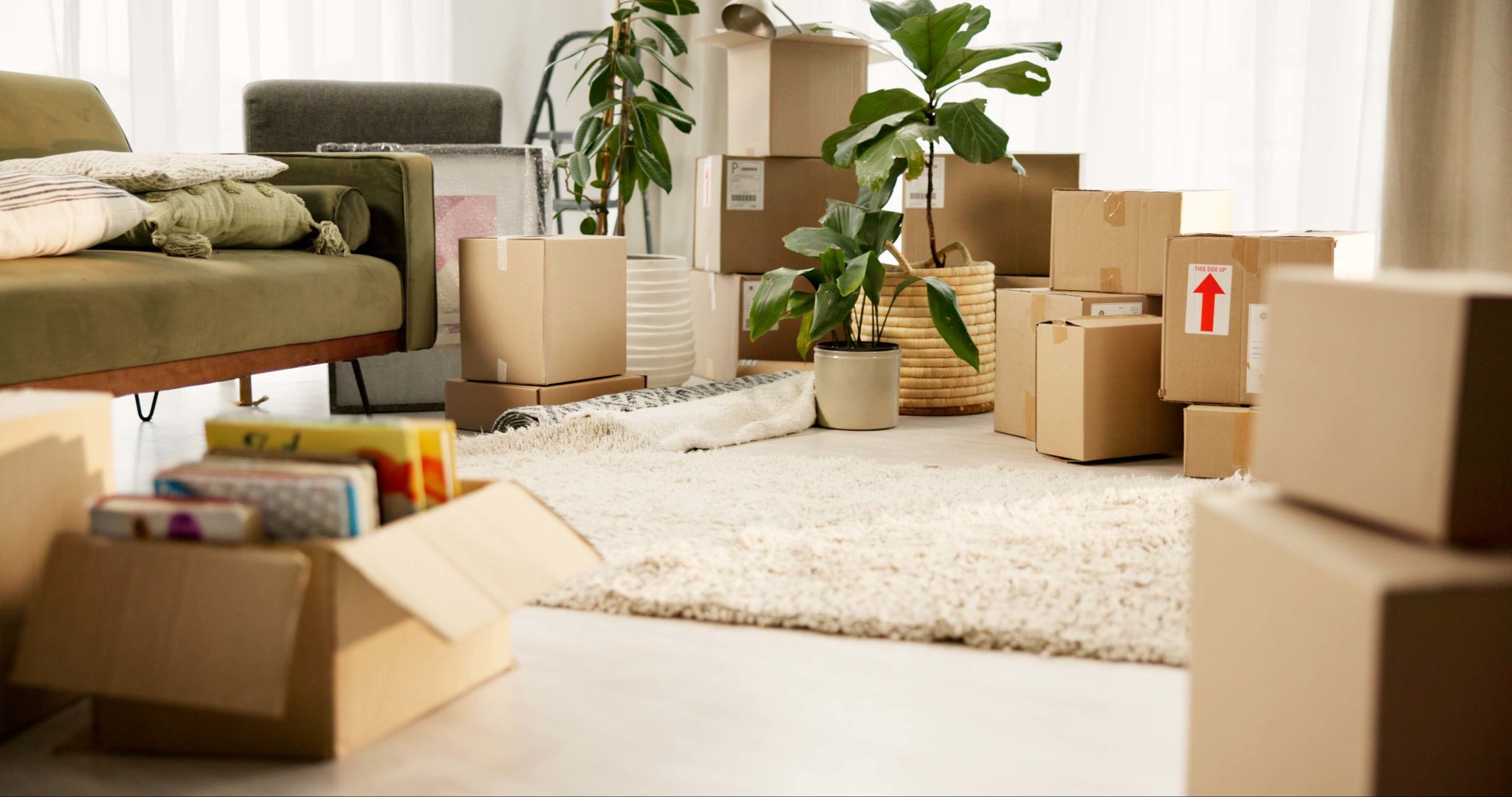
Consider hiring professional movers to assist with the logistics of the move, especially if you're relocating long distance. They can help ensure your belongings arrive safely and on time, reducing the stress associated with moving.
Settling Into Your New Home
Once you've moved, take time to settle into your new environment. Explore your new neighborhood, meet your neighbors, and get involved in local activities to make the transition smoother and more enjoyable. Familiarize yourself with nearby amenities and services that will help you feel at home.
Remember that adjusting to a new location takes time, so be patient with yourself and your family as you acclimate to your new surroundings. Embrace the change and the opportunities it brings for growth and new experiences.